RD Clinic

Comprehensive Hair & Scalp Assessment

Home  /  Hair & Scalp  /  Comprehensive Hair & Scalp Assessment
Comprehensive Hair & Scalp Assessment

Comprehensive Hair & Scalp Assessment

Successful hair treatment begins by understanding what is happening to the follicle and why.
Comprehensive Hair & Scalp Assessment

Comprehensive Hair & Scalp Assessment

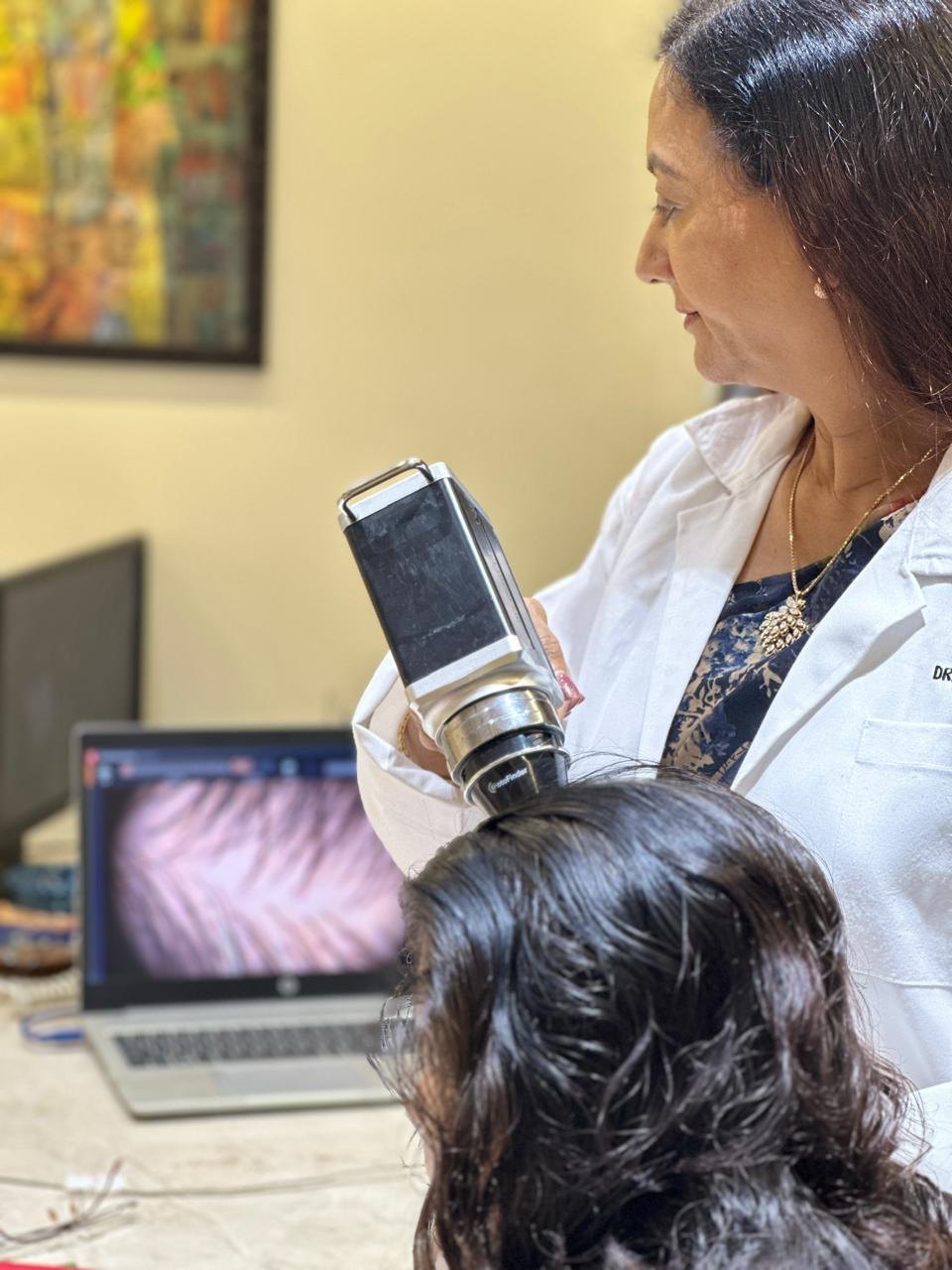
Hair loss treatment begins with a detailed clinical assessment and advanced trichoscopy using the FotoFinder system.

Dr. Rachita Dhurat reviews:

  • When the hair fall or thinning began
  • Whether the problem is shedding, reduced density or both
  • Pattern and rate of progression
  • Menstrual, hormonal and pregnancy history where relevant
  • Recent illness, surgery, weight loss, stress or medication
  • Diet and possible nutritional deficiencies
  • Family history of hair loss
  • Hair-care practices and chemical procedures
  • Previous treatments and response
  • Associated itching, scaling, pain or scalp inflammation

This detailed history helps distinguish temporary shedding from progressive follicular miniaturisation and inflammatory or scarring hair disorders.

The assessment may include:

  • Pattern and distribution of hair loss
  • Hair density and shaft calibre
  • Hair-pull and bedside hair tests
  • Signs of follicular miniaturisation
  • Scalp scaling, redness or inflammation
  • Hair-shaft breakage
  • Examination of the frontal hairline, pony thickness and part width
  • Assessment for scarring and loss of follicular openings

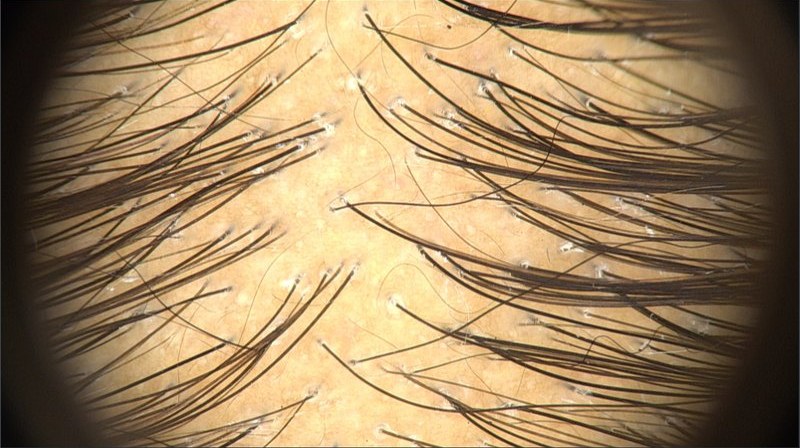
Trichoscopy is a non-invasive, magnified examination of the scalp and hair follicles. At RD Clinic, advanced digital trichoscopy using the FotoFinder system helps visualise and document features that may not be evident to the unaided eye. FotoFinder Systems GmbH is a German medical-imaging technology company, headquartered in Bad Birnbach, Bavaria, Germany.

It can help assess:

  • Hair density and variation in shaft diameter
  • Follicular miniaturisation
  • Empty follicles and regrowing hairs
  • Broken or damaged hair shafts
  • Scalp scaling and vascular patterns
  • Signs of alopecia areata
  • Features suggesting scarring alopecia
  • Treatment response during follow-up

Digital photographs also provide an objective baseline for future comparison.

Not every patient with hair loss requires an extensive blood-test package.

Laboratory investigations are selected according to the history and examination and may include evaluation for anaemia, iron deficiency, thyroid disease, nutritional deficiencies or hormonal abnormalities.

If clinical signs or an elevated androgen level suggest an underlying hormonal disorder, additional investigations may then be advised. A scalp biopsy or fungal examination is recommended only when necessary to confirm a difficult diagnosis.

Following the assessment, Dr. Rachita Dhurat explains:

  • The most likely diagnosis
  • Whether the condition is active or stable
  • Whether the follicles are miniaturised, inflamed or scarred
  • Possible contributing factors
  • Realistic expectations and treatment duration
  • Medical, procedural and supportive treatment options
  • The recommended follow-up and monitoring plan

Treatment is selected according to the diagnosis—not according to a standard clinic package.

This assessment is particularly useful for patients with:
  • Persistent or excessive hair shedding
  • Progressive widening of the hair part
  • Receding hairline or thinning crown
  • Patchy hair loss
  • Hair loss after pregnancy, illness or weight reduction
  • Hair breakage or altered hair texture
  • Persistent dandruff, itching or scalp pain
  • Suspected scarring hair loss
  • Hair loss that has not responded to previous treatment
  • Uncertainty about whether treatment is working
After
Before
Drag
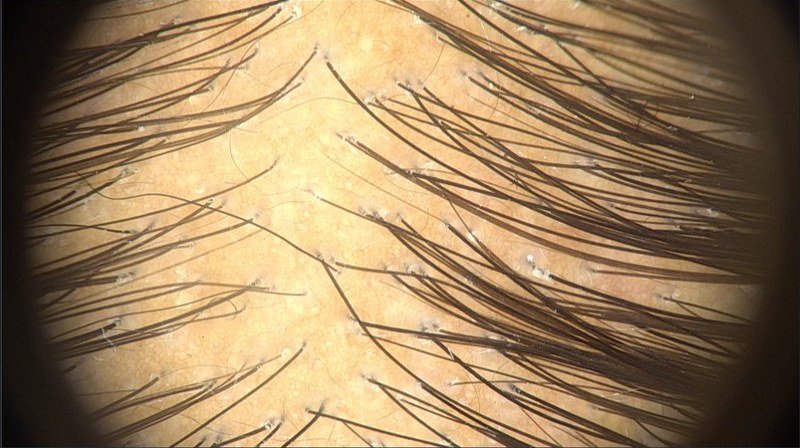
Treatment Response

Documented with FotoFinder digital trichoscopy

Before-and-after digital trichoscopy showing improvement in hair density after treatment. Images captured at 20× magnification using the FotoFinder system. Individual results may vary.
Begin With the Right Diagnosis

Begin with the right diagnosis.

Hair loss treatment is selected according to your diagnosis, not a standard package. Suitability and expected outcomes are determined after clinical assessment. Outcomes vary according to diagnosis and individual response.