Alopecia areata is an autoimmune condition in which the immune system attacks hair follicles, causing round or oval patches of hair loss. It can also affect the eyebrows, eyelashes and beard, and occasionally the whole scalp or body. It is unpredictable, and hair may regrow on its own or after treatment.
Dr. Rachita Dhurat has taken part in international expert consensus work on alopecia areata, including an APAC expert panel in Bangkok in 2025.

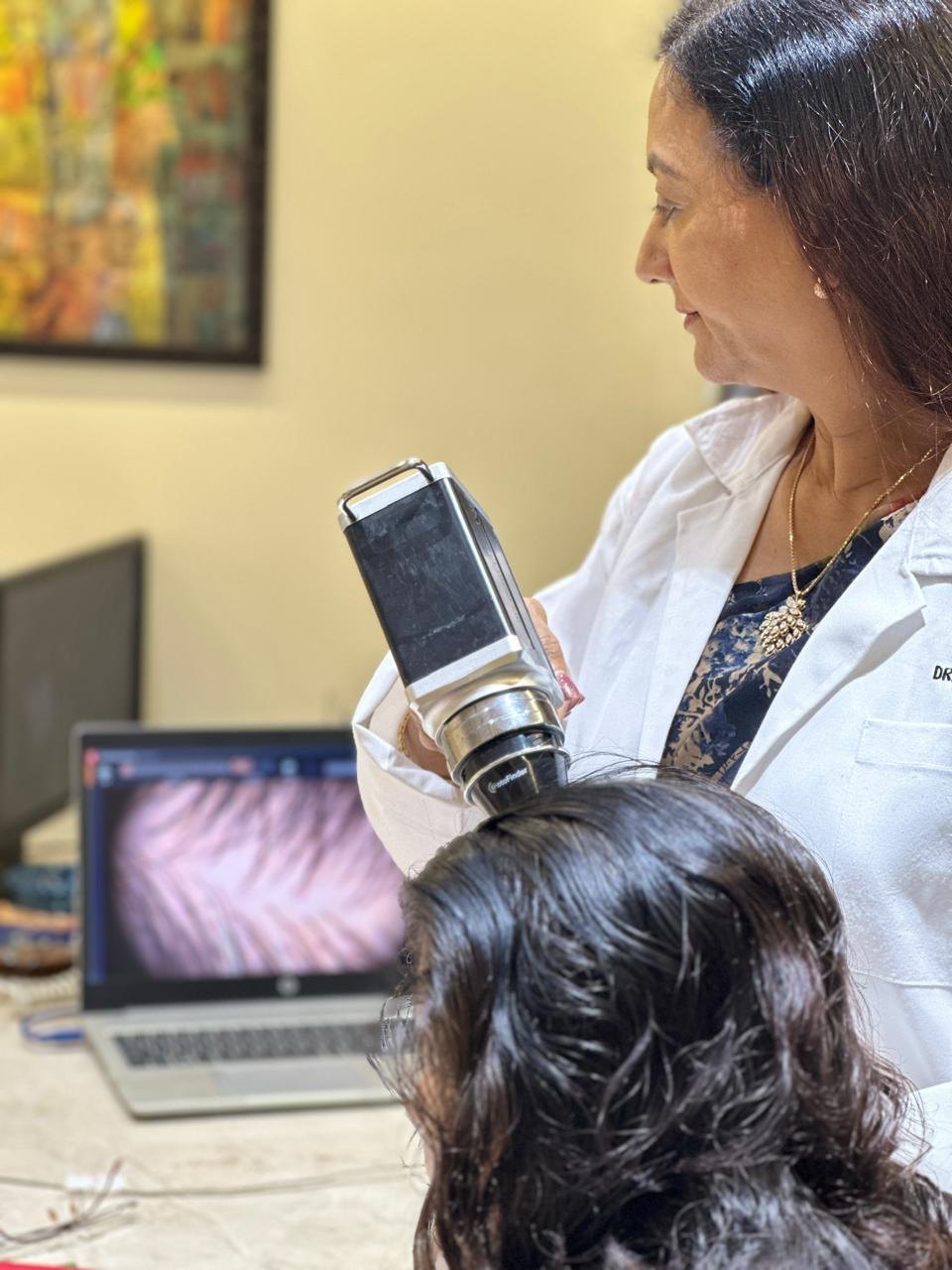
At RD Clinic, care begins with a detailed clinical history, trichoscopy and targeted investigations where needed.
The treatment plan depends on age, extent, activity and how long the condition has been present. Options may include topical and injected medicines, immune-modulating therapy in selected cases, regenerative approaches and supportive care. For children, treatment is chosen with extra care and in discussion with parents.
We explain what to expect, monitor progress with photographs and trichoscopy, and adjust treatment as the condition changes. Emotional wellbeing matters as much as regrowth. Suitability and expected outcomes are determined after clinical assessment. Outcomes vary according to diagnosis and individual response.
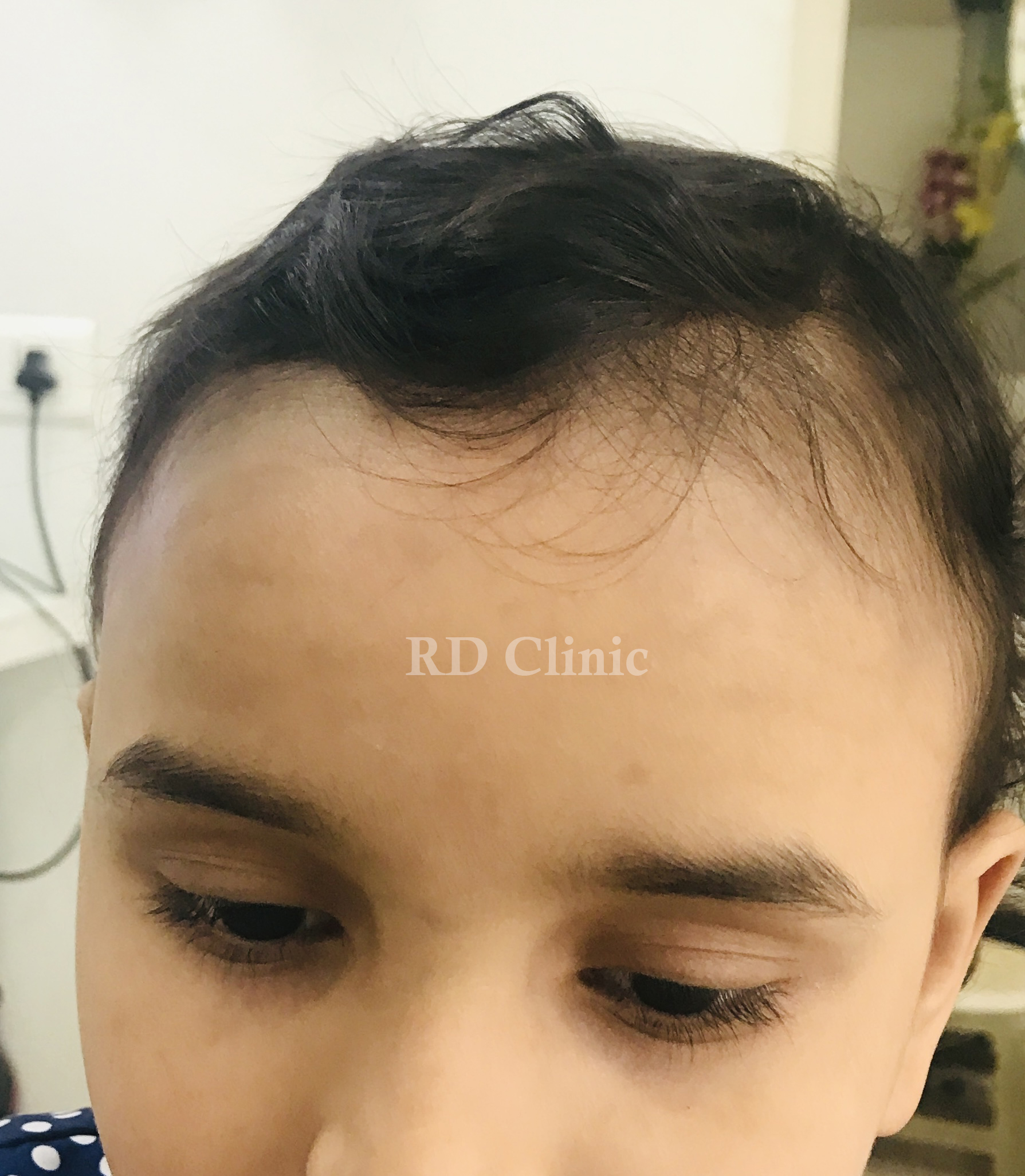
After
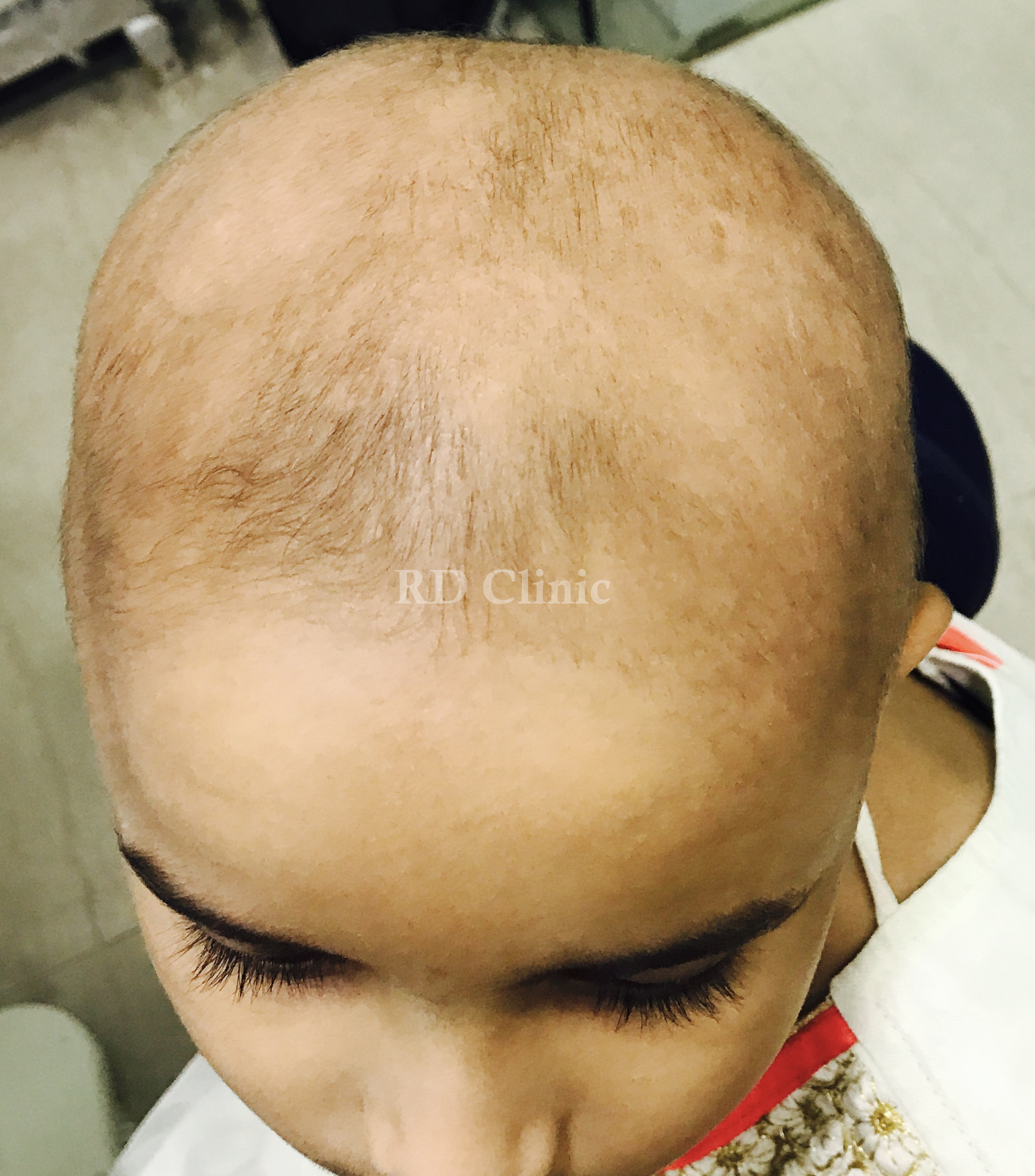
Before Alopecia totalis treatment