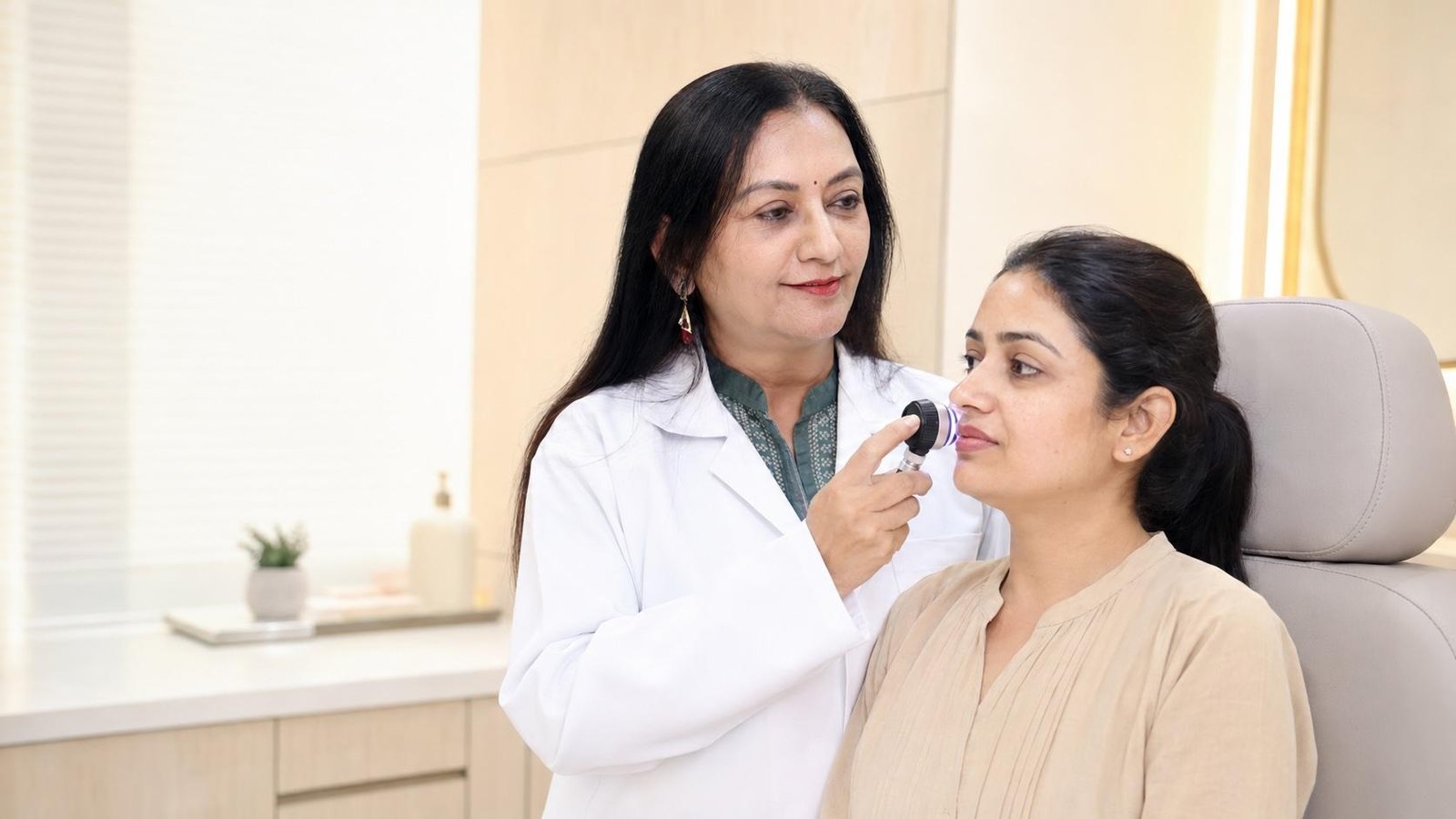
Acne is a common inflammatory skin condition that can affect adolescents and adults. It may appear as blackheads, whiteheads, inflamed pimples, painful nodules or cysts—not merely as an occasional breakout.
Acne can affect the face, chest, shoulders and back. Without timely and appropriate treatment, it may leave persistent pigmentation and permanent scars. At RD Clinic, treatment is personalised according to the type and severity of acne, skin type, medical history and individual needs.
A common misconception is that acne should simply be allowed to “run its course.” Delaying appropriate treatment may result in:
Early dermatologist-led care can help control active acne, reduce new breakouts and minimise the risk of scarring.
Acne treatment is not limited to creams and tablets. In selected patients, dermatologist-supervised procedures can be incorporated into the medical treatment plan to help reduce inflammation, control excess oil, clear blocked pores and prevent scar formation.
Depending on the type, severity and activity of acne, Dr. Rachita Dhurat may recommend procedures such as:
These procedures are selected according to the patient’s skin type and acne pattern. By bringing active inflammation under control early, an appropriately planned combination of medical treatment and procedures may also help reduce the likelihood of persistent dark marks and acne scarring. However, procedures are supportive treatments and do not replace the medicines required to control the underlying cause of acne.
Acne is no longer considered only a teenage condition. Adult-onset acne has become increasingly common, particularly among women in their twenties, thirties and beyond. It often presents as recurrent, painful breakouts over the chin, jawline and lower face and may flare before menstruation.
Persistent adult female acne may be influenced by hormonal sensitivity even when routine hormone tests are normal. Clinical assessment is therefore more important than indiscriminate laboratory testing. Further hormonal evaluation may be advised when acne is accompanied by irregular periods, excessive facial hair, scalp hair thinning, weight gain or other features suggestive of polycystic ovary syndrome.
For appropriately selected women, spironolactone may be prescribed to reduce the hormonal stimulation of the oil glands and help prevent recurring breakouts. It is a prescription medicine and must be used under medical supervision after reviewing the patient’s medical history, other medications, pregnancy plans and need for laboratory monitoring. It must not be taken during pregnancy.
At RD Clinic, active acne, hormonal triggers, post-acne pigmentation and acne scars are assessed separately. Treatment may combine skincare, prescription medicines and selected procedures to control present breakouts while reducing the risk of future marks and scars.
Acne can continue into adulthood or appear for the first time in adult life. Adult women may experience acne in their 30s, 40s or later, sometimes associated with hormonal fluctuations, polycystic ovary syndrome, stress, cosmetics or certain medicines.
Hormonal investigations are not required for every patient. They are advised only when the clinical history and examination suggest an underlying hormonal disorder.
Acne may present as:
Seek dermatologist advice if:
Acne treatment is selected according to the clinical pattern, severity, skin sensitivity and risk of scarring. Depending on individual requirements, the treatment plan may include prescription skincare, oral medication, comedone management, chemical peels or selected device-based procedures.
Active acne and acne scars require different treatment strategies. The first priority is usually to control active acne; scar treatment can then be planned according to scar type and skin characteristics.
Don’t wait for acne to leave permanent marks. A timely diagnosis and personalised treatment plan can help control acne and protect your skin from avoidable pigmentation and scarring.
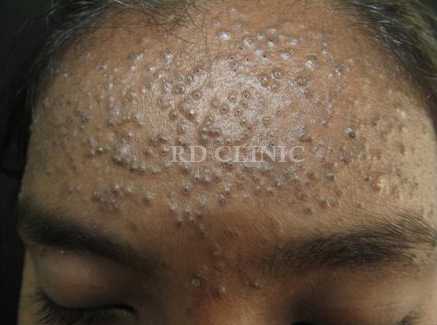 After
After 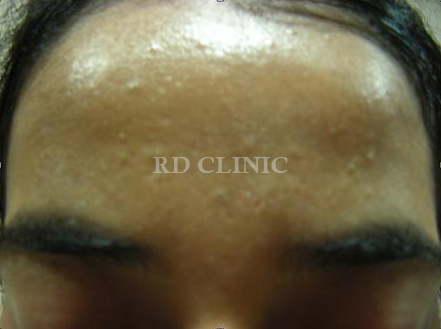 Before
 Acne treatment
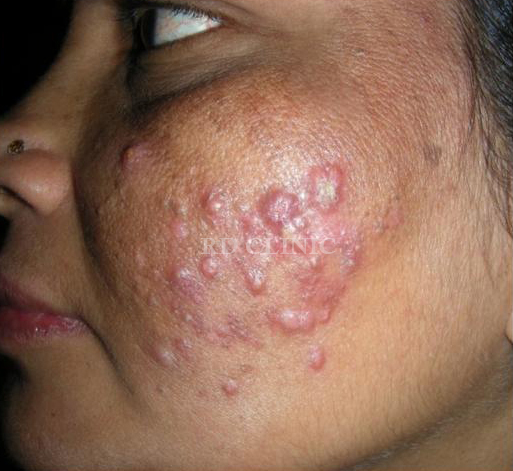 After
After 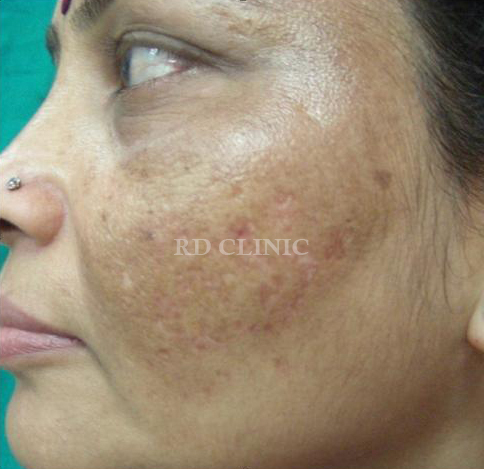 Before
 Acne treatment
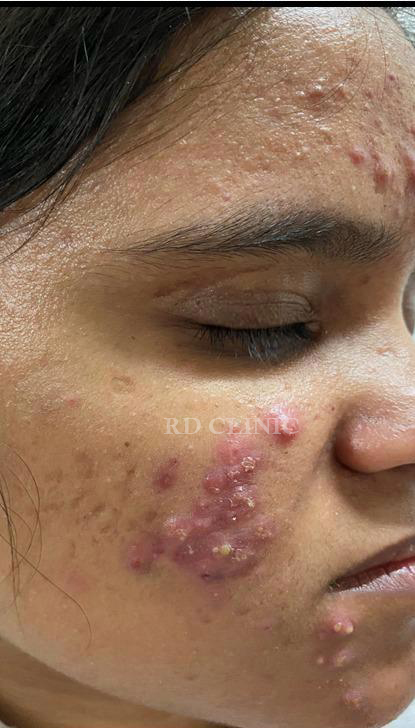 After
After 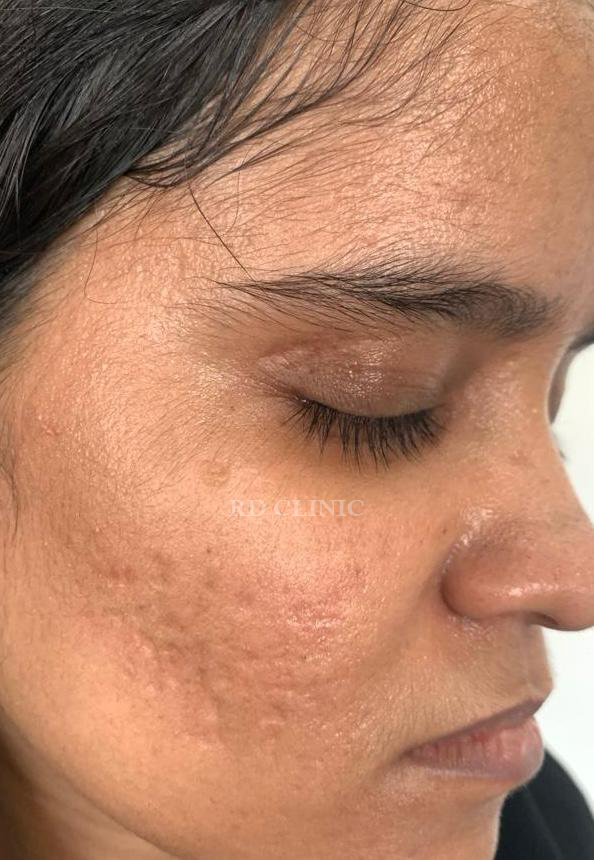 Before
 Acne treatment
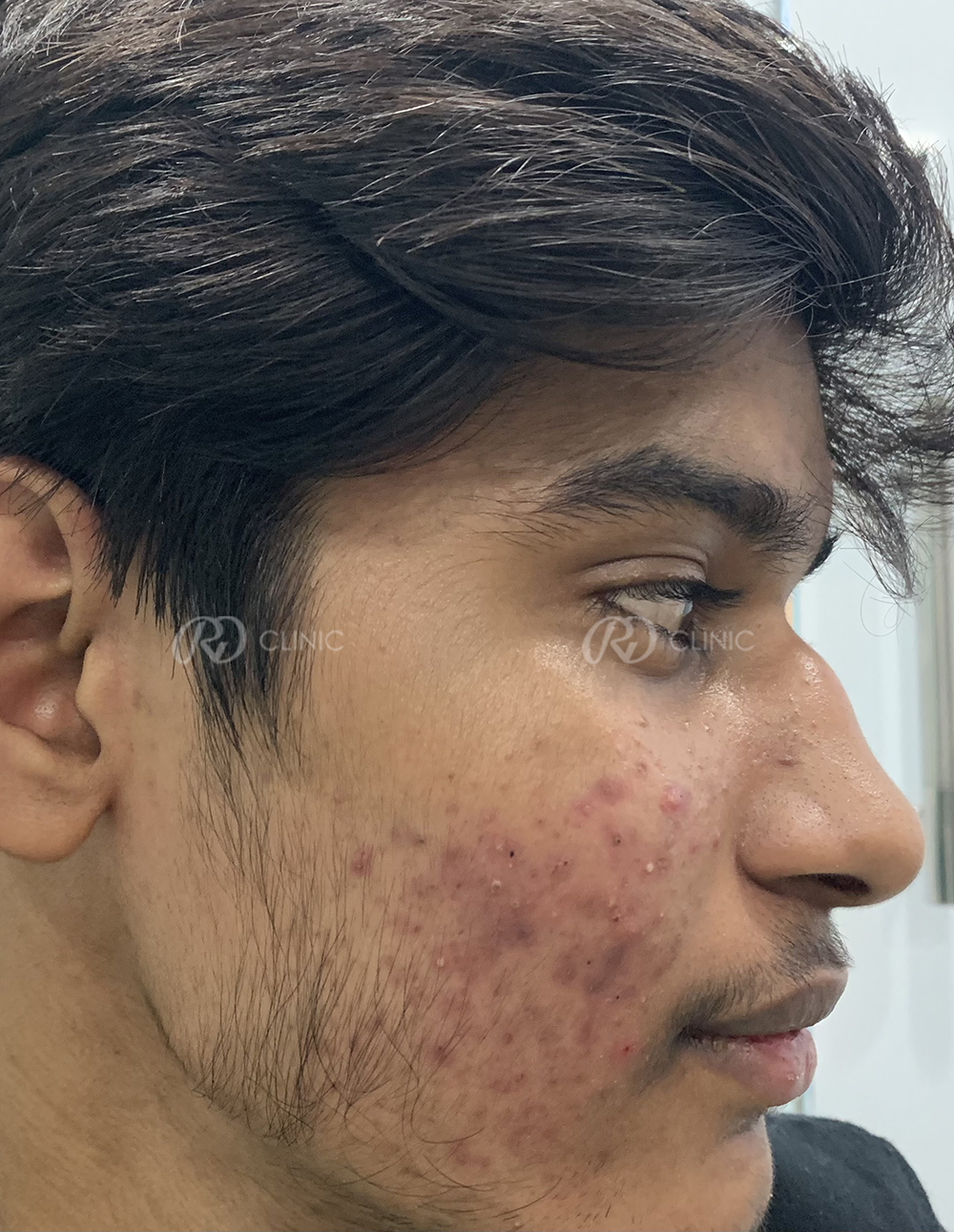 After
After 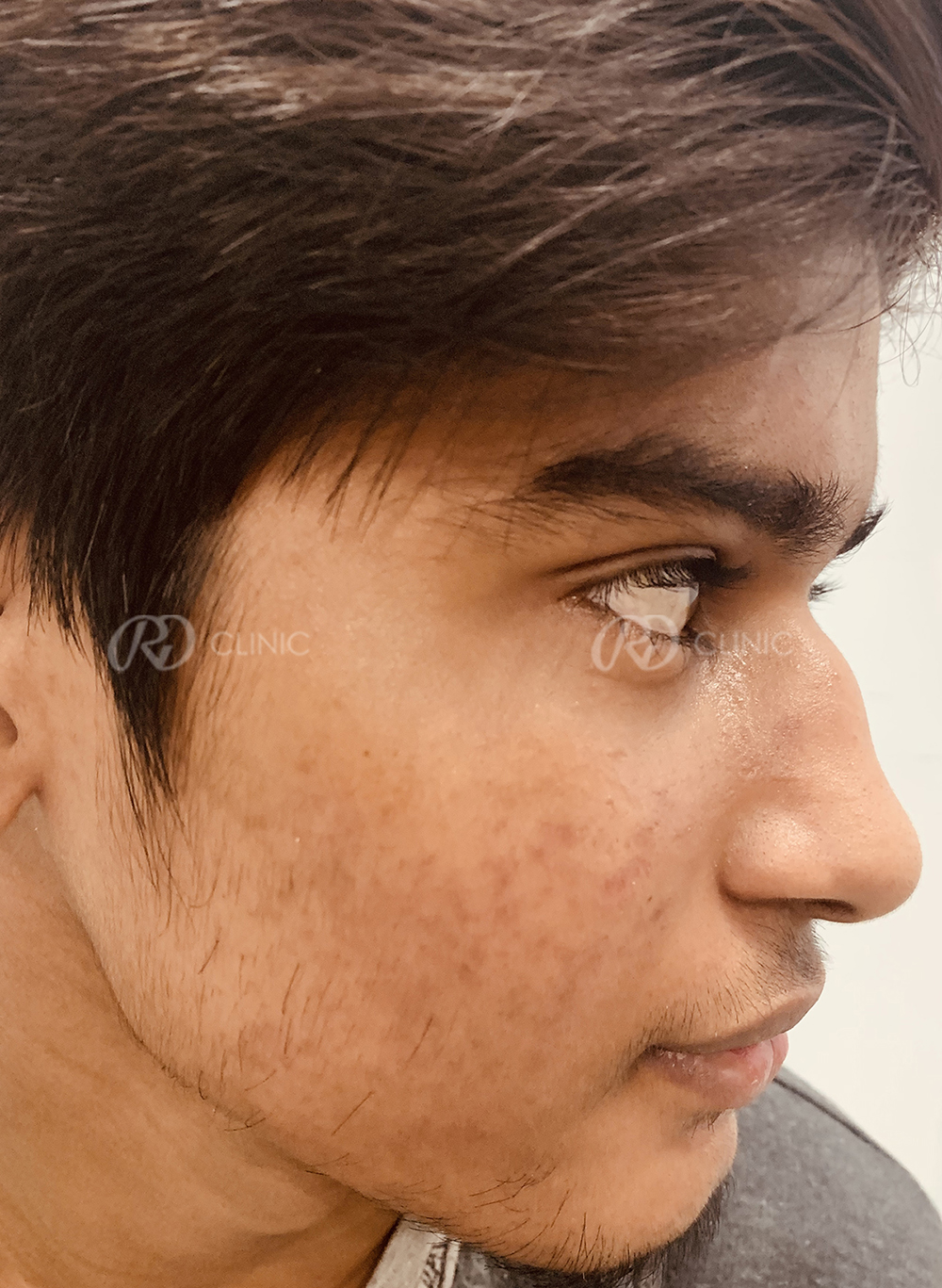 Before
 Acne treatment